Order now, Pay later | Exclusive partner Hitachi since 1965 | Shipped in 2 business days | CE Marked & UK Conformity Assessed

Electric (chain) hoists—including wire rope, chain and lever types – are used in many various ways. Electric hoists are well known for their reliability. And, because they are so reliable, it is easy to take the productivity and safety of the hoists for granted. Not inspecting hoists regularly or at all, however, can decrease productivity and overall safety.
Hoists are used in various workplaces every day or at certain intervals. Wear and tear caused by use is a given over time. However, the Hitachi hoists are proven to have very little wear and tear it is still important to perform checks regularly. Not doing this can cause malfunctions or, worse, a dangerous non-compliance or accident that puts you, your team, or your company at risk. Routine checks and inspections can help detect nonconformities or potential problems. Inspection and control are the best ways to prevent costly or irreversible accidents.
How often should a hoist be serviced? There are three practice structures for hoist inspections. These are; Initial Control Inspection, Functionality Test & Control and Intermediate Controls.
It should be known that; before the first use of the hoist, all new and modified hoists must be inspected to ensure a safe installment. The initial inspection consists of a visual inspection of equipment refitted after a new hoist has been installed and after modification or repair. A Nominal Load Test is also advised for overhead hoists, depending on the working load. It should be noted that the load rating is not more than 80% of the maximum load obtained during the first test.
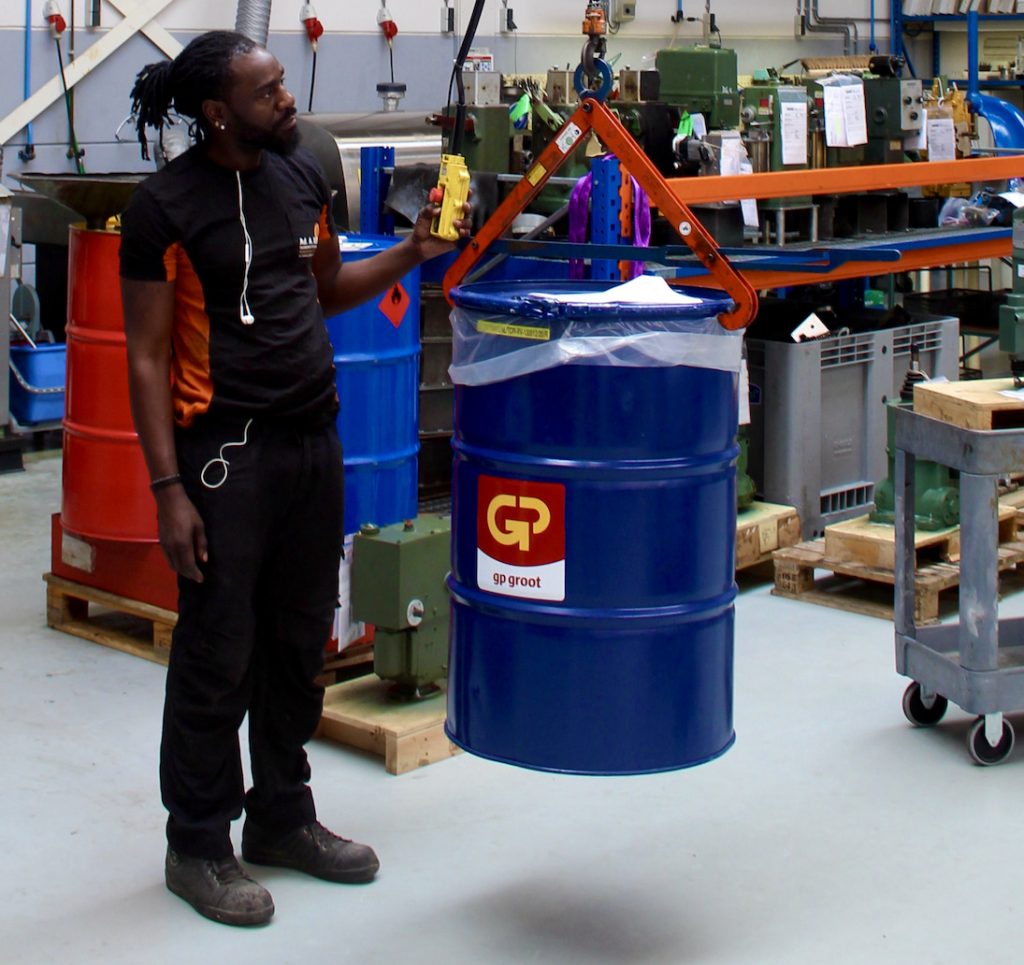
When you’ve installed the hoists and done the first test. The hoist functionality should be routinely tested (preferably before each shift). The functionality check should be visually tested daily. In this check, look for deterioration or weird noises, including end connections for excessive wear. Hoist chains that go beyond the manufacturer’s recommendations should also be checked.
For cases of excessive wear of hoist components, all damaged mechanisms shall be repaired immediately and following the manufacturer’s recommendations for use.
Interim Checks should include Functionality testing and checking working mechanisms. The controller should make a careful check by listening to the hoist brake and load chain to check if there is any abnormal sound. In this control, hook and latch inspection should also be done.
The frequency at which these inspections should occur is based on your hoist use: It is recommended that a hoist that operates daily under normal conditions be inspected, preferably once a month. A hoist that works very intensively under serious conditions can also be inspected weekly.
Intermediate checks do not require a record, but we still advise doing this. A record such as functionality test and control will work; these records will indicate that the hoist is checked. Therefore, all hoist operators will use safe work equipment before starting their shift.
Records will also serve as evidence in the event of an accident in the future, show that you are proactive in the safety of your facility, and will save you from material and moral damages that may arise.
Any questions after reading this article? Our experts are happy to help you at any time. At Hitachi Hoist our main priority is providing the best-in-class hoists. We’ve obtained the necessary markings and follow UK legal regulations for all our hoists. Ordering one of our hoists will make sure you buy the safest and quality proven hoists in the world. Also as an exclusive supplier of Hitachi we make sure that:
Check out all our electric hoists directly and get the best hoist delivered within a matter of days.


